We didn’t enter2026 quietly. We stepped into it with open eyes, overloaded feeds, and a growing sense that power and accountability are colliding in public.
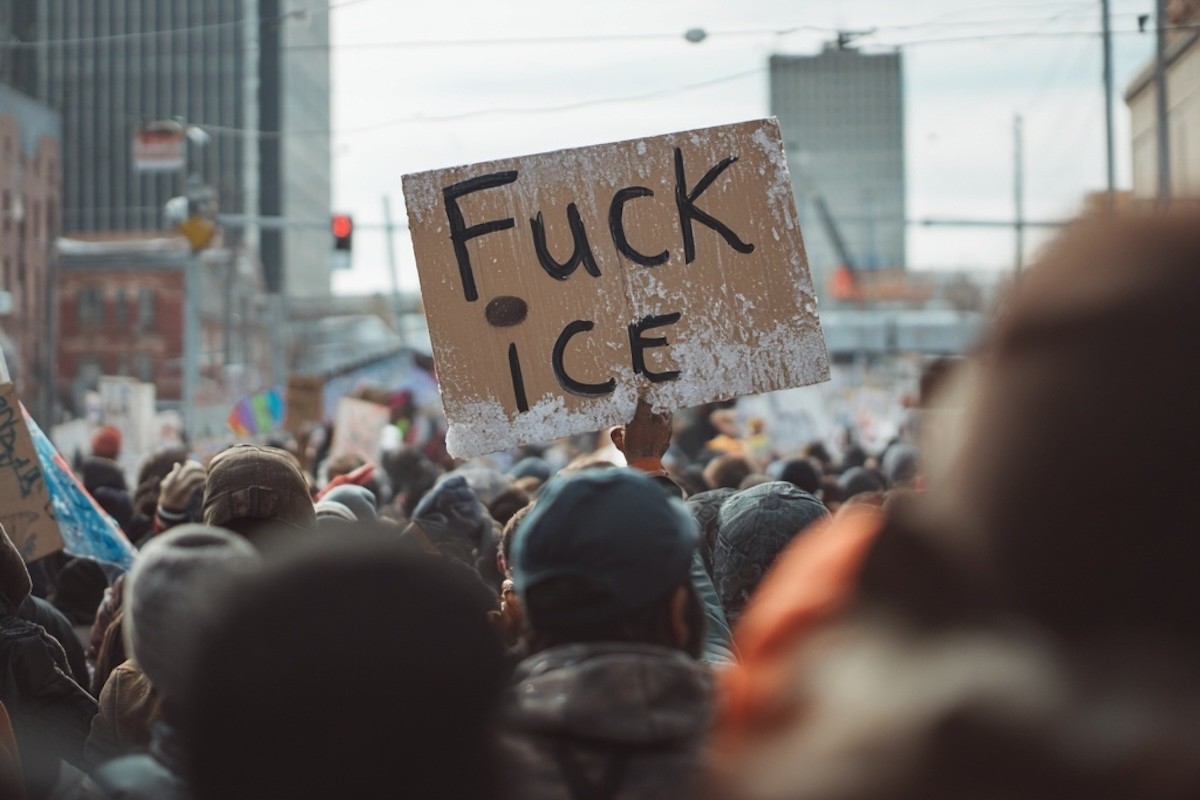
In Minneapolis this January, ICE enforcement operations led to the fatal shooting of at least two unarmed civilians and triggered protests and civil rights investigations. We watched the footage circulate. We read the witness accounts. We saw how fast official statements and public doubt diverged. For many of us, this did not feel like distant policy. It felt like a real-time test of how force is used and how accountability is mishandled by elected officials who refer to mothers as “domestic terrorists”.
We are also watching how elite accountability works and where it stops. The release of large volumes of Epstein investigation files forced the story of exploitation back into public view. Epstein was a convicted sexual predator who raped, sexually abused, and trafficked minors. But many documents remain redacted, and full disclosure still has not happened. Survivors continue to maintain that there are many powerful men who have not yet been held accountable for their documented abuse. Growing up after MeToo, we do not read this as a closed chapter. We read it as generational exploitation protected by power, and as proof that exposure does not automatically produce justice.
We are also watching how global rules are enforced unevenly. The United States intervention in Venezuela, including military strikes and the capture of the country’s president, has triggered intense debate among international law scholars about legality and sovereignty. Can you just remove a dictator from power because the country is oil-rich?
At the same time, the Israeli war on Gaza and the ongoing Israeli refusal to let in sufficient humanitarian aid are shaping how we understand human rights in practice. We are seeing civilian suffering, aid convoys blocked or delayed, and legal arguments unfold at the same time. Aid is not theoretical here. It is about who eats, who gets medicine, and who is protected — or not. We are encountering these realities directly, through images, testimonies, and appeals that reach us without filters.
Taken together, we are not experiencing these as separate headlines. We see patterns about power, protection, exposure, and the uneven pace of justice. We are reading source documents, survivor voices, legal disputes, and field reports side by side. That changes how we build trust. It changes how we define responsibility. We are less willing to assume systems work as promised. We are more willing to ask how they work, who they serve, and how they can be held accountable.
Gen Z and Gen Alpha care deeply about justice, human rights, mental well-being, and the future of the planet. They want careers that make a difference, systems that are fair, and leaders who listen.
The Degradation of Human Rights and a Fractured Global Order
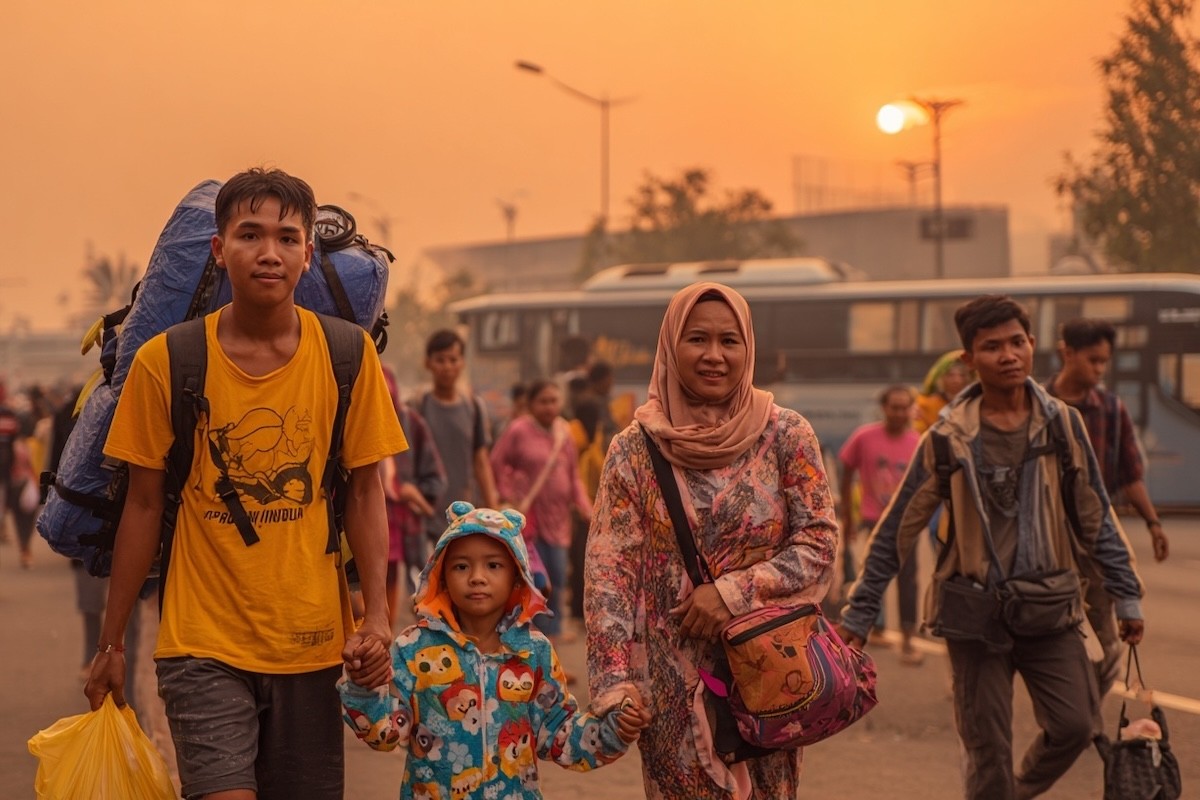
Democratic backsliding, the politicization of humanitarian aid, climate injustice, and the erosion of multilateral institutions have made crises harder to prevent and even harder to resolve. Economic inequality continues to widen, trade wars disrupt livelihoods, and technological and military rearmament accelerate while public trust erodes.
Globalization, once framed as a shared path toward opportunity, now feels uneven and extractive. Capital flows toward already powerful nations, while debt, unemployment, and instability weigh heavily on others. For many people, especially the young, the system feels distant, unresponsive, and fundamentally unfair. And yet, amid this fragmentation, something else is unfolding.
A Generation That Refuses To Stay Silent
Across the world, young people are raising their voices. Throughout 2025 and into 2026, youth-led movements surged across continents. From Bangladesh and Nepal to Kenya, Morocco, Bulgaria, Mexico, and the Maldives, young people organized protests demanding dignity, opportunity, and accountability. In some places, their demands led to real political change.
This generation is digitally connected, deeply informed, and unafraid to challenge power. They organize through social media, document injustice in real time, and question narratives that once went uncontested. Their activism is not abstract. It is rooted in lived experience, shaped by climate anxiety, economic precarity, mental health struggles, and shrinking opportunities.
Gen Z and Gen Alpha care deeply about justice, human rights, mental well-being, and the future of the planet. They want careers that make a difference, systems that are fair, and leaders who listen. At the same time, they face structural barriers that make it harder to move forward, from limited job prospects to the weight of global inequality.
Where StudentLAB Comes In
Moments like this require more than awareness. They require spaces where young people can learn, connect, and turn concern into action. This is where StudentLAB comes in.
StudentLAB is a global platform built for the next generation of changemakers. It is not about being the smartest person in the room. It is about becoming the most informed, inspired, and empowered version of yourself.
Whether you care about climate action, human rights, mental health, or technology, StudentLAB brings together young people who share your curiosity and your urgency. The platform offers short, engaging courses designed for how young people actually learn today. Using micro-learning, interactive quizzes, and quick videos, StudentLAB makes complex global issues accessible without being overwhelming.
Here are some active courses you can enroll in today to learn more about global challenges:
Finally, StudentLAB is about community. It is a space to discuss ideas, collaborate on projects, earn recognition, and connect with peers from around the world who care deeply about the same issues.
StudentLAB is a global platform built for the next generation of changemakers. It is not about being the smartest person in the room. It is about becoming the most informed, inspired, and empowered version of yourself.
What Comes Next?
2026 is shaping up to be a year of global readjustment. The challenges are real, and the uncertainty is undeniable. But history is not written by crises alone. It is written by people who respond to them. And for a generation stepping forward with clarity, compassion, and conviction, that transformation has already begun.
Are you ready to face the global challenges and be an agent of change? Join StudentLAB today.