Many people think danger begins with a violent act. For immigrants and refugees, it often begins much earlier, with words. A joke, a headline, a comment, a speech, a post that frames them as less human, less deserving, or less welcome.
Over time, that language changes what people tolerate. It becomes easier to justify exclusion, humiliation, and cruelty. What looks like “just rhetoric” starts shaping real life in schools, workplaces, neighborhoods, and policy decisions. That is why safe spaces matter. They are not symbolic. They are a practical way to protect dignity, wellbeing, and belonging in a climate where dehumanization is increasingly normalized.
Today, we look at how dehumanization spreads, why immigrants are frequent targets, how misinformation fuels harm, and what individuals and communities can do to build safer environments.
Once a group is dehumanized, protecting their rights is no longer seen as a moral obligation but as an inconvenience or even a danger.
What Dehumanization Really Means
Dehumanization is the psychological process of stripping people of their humanity and reducing them to something “less than” or “other.” Social psychologist Nick Haslam describes dehumanization as a key precursor to violence. It acts as a primer, preparing societies to accept oppression by reframing entire groups as threats, burdens, or problems rather than as human beings with rights.
This process is rarely random. Dehumanization tends to intensify during periods of economic instability, political polarization, and social uncertainty. Language that compares people to “invaders,” “garbage,” or “infestations” lowers moral barriers that would normally prevent harm. Once a group is dehumanized, protecting their rights is no longer seen as a moral obligation but as an inconvenience or even a danger.
These narratives do not emerge accidentally. They are politically useful tools for justifying restrictive policies and consolidating power through fear.
Why Immigrants Have Become a Target
The current surge in anti-immigrant sentiment is driven by a perfect storm of economic anxiety and calculated political messaging. Across the UK and much of Europe, years of austerity, followed by the COVID-19 pandemic and a severe cost-of-living crisis, have left many people feeling abandoned by institutions. In moments like these, frustration is often redirected toward migrants rather than toward structural policy failures.
At the same time, conspiracy theories such as the so-called “Great Replacement” have moved from the fringes into mainstream discourse. This false narrative claims that native populations are being deliberately replaced by immigrants and has gained alarming levels of acceptance in countries like France. In the United States, similar rhetoric frames immigration as an “invasion,” with isolated crimes used to vilify entire nationalities. These narratives do not emerge accidentally. They are politically useful tools for justifying restrictive policies and consolidating power through fear. The result is a climate in which even legal immigrants and long-standing residents are increasingly subjected to blanket suspicion and hostility, regardless of their contributions or status.
Social Media as a Battleground
Social media has become one of the most powerful amplifiers of dehumanization. Every day, platforms host content that spreads misinformation, promotes conspiracy theories, or directly calls for violence. Algorithms reward outrage and sensationalism, allowing hateful content to reach millions before moderation can intervene.
For immigrants, social media is a double-edged sword. It offers connection, information, and community, but it also exposes them to constant psychological harm and, in some cases, real-world danger. Misinformation spreads rapidly, often faster than fact-based corrections, and many users engage with content without fully understanding its implications. When conflicts escalate online, people are often unsure whether to respond, report, or disengage entirely.
This digital environment does not exist in isolation. Online rhetoric spills into streets, schools, workplaces, and policy debates, shaping how immigrants are treated in everyday life.
Voices From the Streets
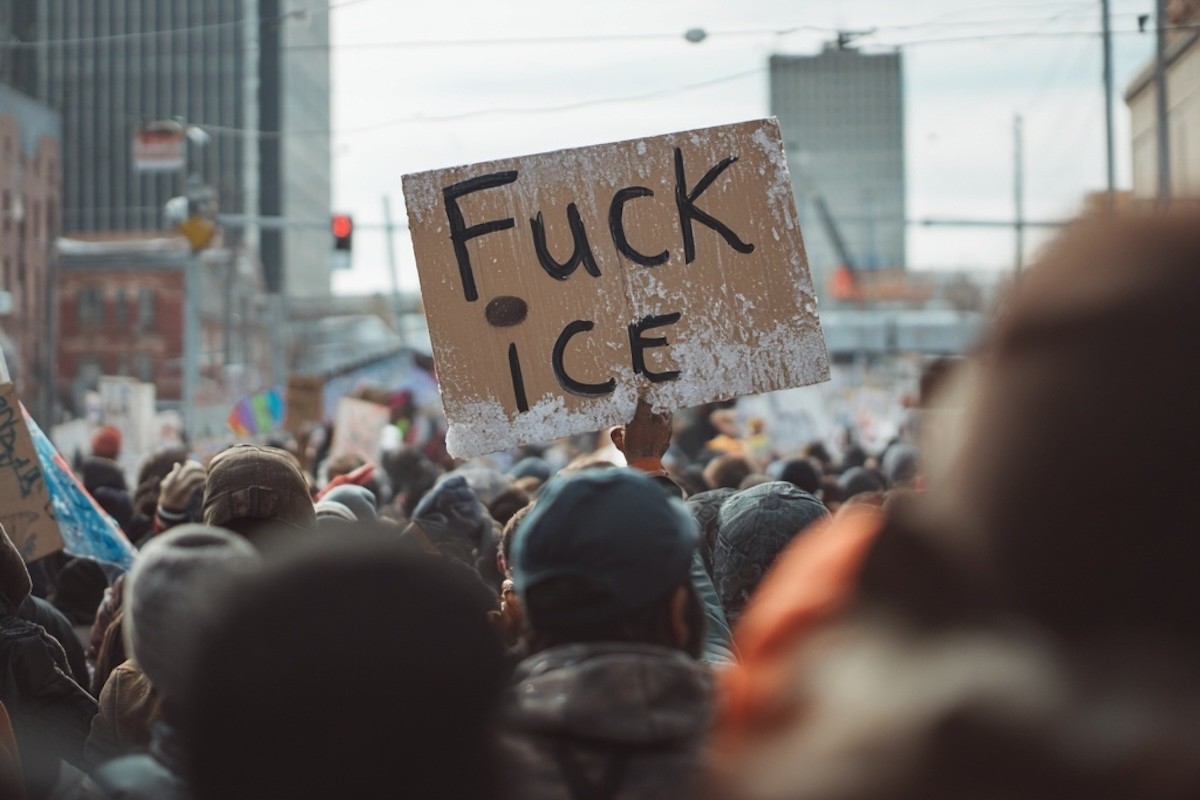
Public sentiment around immigration is deeply divided. On one side, there is growing resistance and solidarity. Across the United States, from Los Angeles to rural Nebraska, communities are organizing against mass deportations and aggressive ICE tactics. Protests following tragic deaths and high-profile enforcement actions show that many people refuse to accept dehumanization as normal.
On the other side, there is a rising belief among some citizens that large-scale migration threatens social cohesion or self-determination. Some argue that rapid migration outpaces integration, creating parallel societies. Others frame the issue economically, claiming labor shortages should be solved through automation or systemic reform rather than migration. These concerns, while varied, often collapse into a generalized hostility that fails to distinguish between policies, people, and lived realities.
This digital environment does not exist in isolation. Online rhetoric spills into streets, schools, workplaces, and policy debates, shaping how immigrants are treated in everyday life.
What You Can Do to Build Safer Spaces
Despite the scale of the problem, individuals and communities are not powerless. Speaking out against hate, when it is safe to do so, can disrupt the normalization of abuse. Silence is often interpreted as acceptance, and early intervention can prevent escalation.
The UN posted a “Strategy and Plan of Action on Hate Speech" that gives some key recommendations on how to support communities facing violence and hate. For example, creating and sharing human-centered stories helps counteract narratives built on fear. Focusing on shared values, dignity, and real experiences reminds audiences that immigration is not an abstract issue but a human one. At the same time, resisting the urge to amplify hateful content, even for criticism, reduces its reach. Reporting harmful material to platforms and documenting direct threats are crucial steps in accountability and protection. Building safe spaces also means cultivating digital responsibility and empathy, recognizing that online actions have offline consequences.
Despite the scale of the problem, individuals and communities are not powerless. Speaking out against hate, when it is safe to do so, can disrupt the normalization of abuse. Silence is often interpreted as acceptance, and early intervention can prevent escalation.
StudentLAB: A Space for Reflection and Action
StudentLAB exists as a space for young people who want to understand these issues deeply and act thoughtfully. It is not about having the loudest opinion, but about becoming informed, resilient, and capable of meaningful change.
In an age where trust is fragile and misinformation is rampant, learning from credible sources and engaging in global dialogue matters more than ever. Community, wellbeing, and critical thinking are not side issues. They are the foundation of sustainable activism. Here are some critical courses we recommend you to stay informed and alert about these current issues:
StudentLAB exists as a space for young people who want to understand these issues deeply and act thoughtfully. It is not about having the loudest opinion, but about becoming informed, resilient, and capable of meaningful change.
A Final Reflection
The struggle for the soul of our communities is unfolding in comment sections, classrooms, workplaces, and public squares. When dehumanizing language goes unchallenged, it does not only harm immigrants. It weakens the very principles of dignity and rights that protect everyone.
Building safe spaces requires more than policy change. It requires a refusal to see our neighbors as statistics, threats, or slogans. Whether through small acts of digital empathy or large-scale community action, the goal remains the same: to reclaim the humanity that justifies protection for every person, regardless of where they were born.
Ready to be part of this challenge? Join the StudentLAB community and open a discussion today!