Welcome to 2026, where extreme heatwaves, floods, droughts, and wildfires are no longer “once-in-a-century” events. During the past few years, we have seen the degradation of our planet from our TVs, social media, and even just walking around our neighborhoods. The climate crisis is no longer a distant threat or an abstract scientific debate. It has become a visible, measurable force shaping economies, geopolitics, public health, and everyday life.
This year, global temperatures are projected to reach around 1.46°C above pre-industrial levels this year. While slightly below the record heat of 2024, this marks the fourth consecutive year above 1.4°C, and still, there aren’t many signs from global governments to put their hands into action to stop the consequences. This confirms the climate crisis in 2026 is not just an environmental issue. It is a systems crisis, exposing how interconnected and fragile our global systems truly are.
Climate is no longer a niche concern for scientists and diplomats; it is now shaping elections, trade agreements, courtrooms, and international relations.
When Climate Became a Political Battlefield
One of the defining features of today’s climate conversation is how deeply politicized it has become. Scientific consensus has existed for decades, yet climate action remains uneven and contentious. In some countries, policy has accelerated through green investments, clean-energy incentives, and stricter environmental regulations. In others, progress has stalled or reversed, driven by short-term political interests, fossil-fuel lobbying, and culture-war narratives that frame climate action as an economic or ideological threat rather than an opportunity.
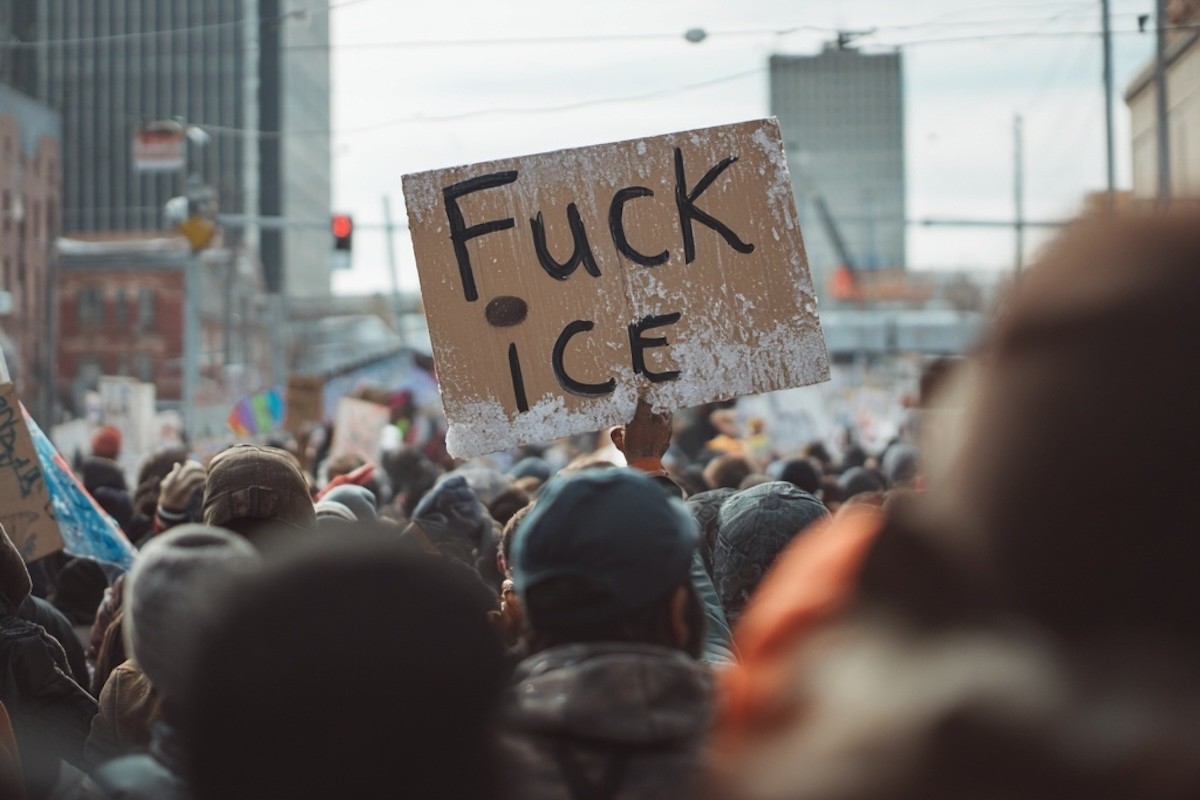
This polarization has real consequences. Delayed policies mean higher long-term costs, both human and financial. Yet politicization has also sparked powerful counter-movements. Youth-led climate activism, Indigenous leadership, and grassroots organizing have pushed climate justice into the mainstream. Climate is no longer a niche concern for scientists and diplomats; it is now shaping elections, trade agreements, courtrooms, and international relations.
A Planet Under Pressure
The physical signals of climate breakdown are becoming impossible to dismiss. Even natural climate cycles that once moderated global temperatures are being overwhelmed. In 2025, a La Niña year, typically associated with cooler conditions, global temperatures still exceeded those of the record-breaking El Niño year of 1998. This is a clear sign that long-term warming is now overpowering short-term variability.
Natural systems that once absorbed carbon are also faltering. Forests are burning at unprecedented rates, releasing stored carbon back into the atmosphere, while oceans are warming and acidifying, weakening their role as carbon sinks. The economic toll is stark: weather-related disasters caused hundreds of billions of dollars in damage in 2025, turning climate risk into a permanent feature of global financial planning.
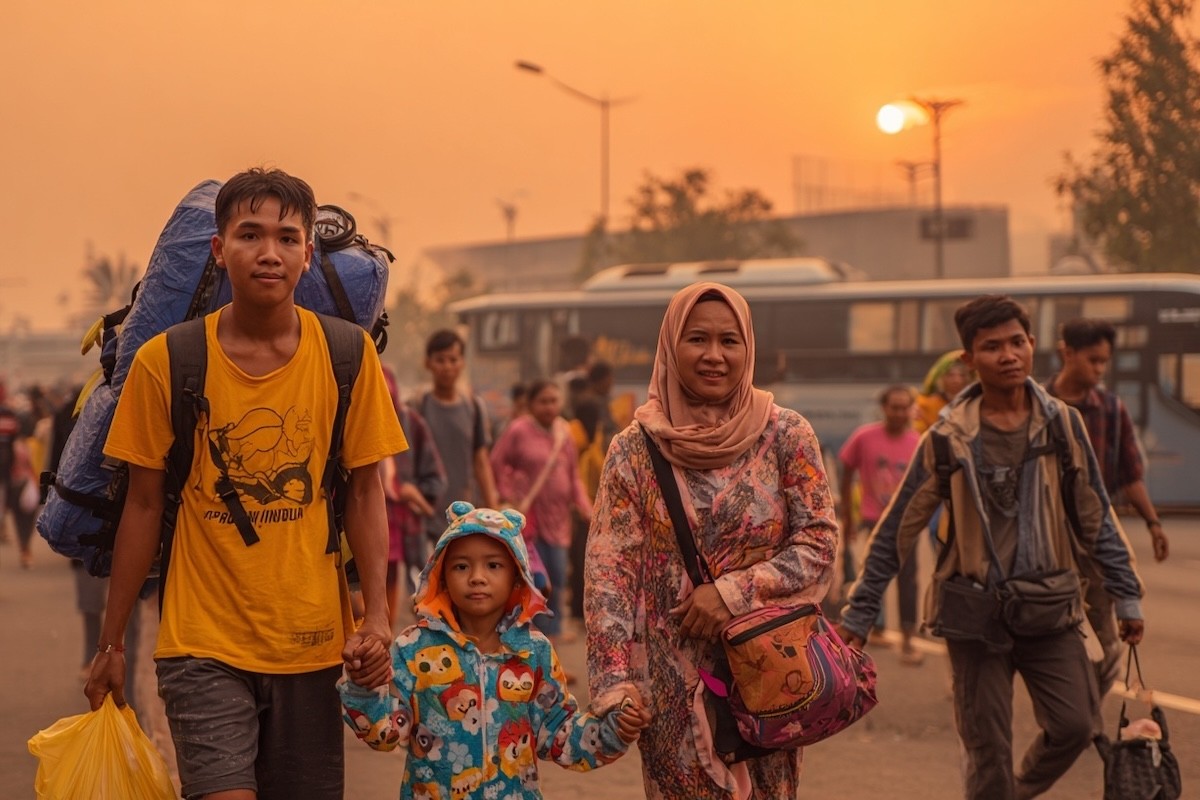
The impacts ripple outward. Worsening air quality, the spread of climate-sensitive diseases, and food and water insecurity are affecting public health worldwide. Ecosystems are under severe stress as habitats shift too quickly for species to adapt, from the Amazon rainforest to thawing Arctic permafrost. Rising sea levels threaten coastal communities, while displacement and infrastructure damage disproportionately affect vulnerable nations that contributed least to the crisis.
Steps Back and Steps Forward
Progress in the climate fight has been uneven, marked by both setbacks and breakthroughs. Despite persistent denialism from some political leaders, meaningful progress continues on the ground, improving air quality, protecting threatened ecosystems, and strengthening community resilience.
One of the most significant milestones of 2026 is the High Seas Treaty, which has officially entered into force. For the first time, there is a legally binding framework to protect biodiversity in international waters. This agreement is critical to safeguarding ocean ecosystems that regulate the planet’s climate.
Energy systems are also undergoing a profound shift. Renewable energy has overtaken coal as the world’s leading source of electricity, now providing more than a third of global power. Wind and solar are cheaper than fossil fuels in most markets, driving rapid expansion not just for environmental reasons, but because they make economic sense, particularly in emerging economies.
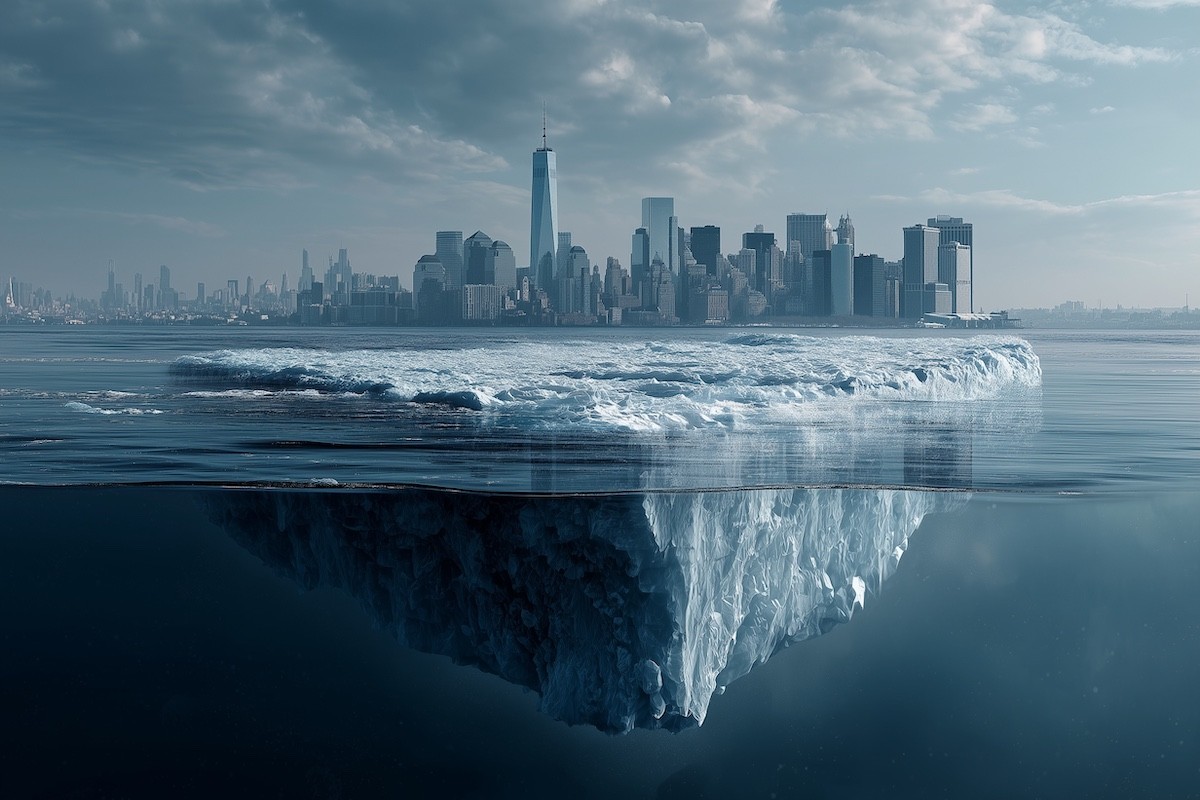
Still, major challenges remain. Fossil-fuel subsidies persist, climate finance for vulnerable countries falls short, and international negotiations struggle with enforcement and accountability. Progress on halving food loss and waste by 2030 has been minimal, while high meat consumption continues to drive emissions. Data gaps undermine climate accountability, and questionable carbon markets weaken trust. Meanwhile, melting Arctic ice is opening new shipping routes and mineral extraction opportunities, creating fresh geopolitical tensions and ecological risks. Climate litigation is rising worldwide, as communities and governments seek to hold major polluters accountable for immediate harms.
Progress in the climate fight has been uneven, marked by both setbacks and breakthroughs. Despite persistent denialism from some political leaders, meaningful progress continues on the ground, improving air quality, protecting threatened ecosystems, and strengthening community resilience.
What Can You Do Now?
Facing the climate crisis today requires moving beyond individual guilt toward collective impact. Personal choices still matter, especially when they influence others and signal demand for systemic change. Electrifying homes with heat pumps, improving insulation, switching to LED lighting, and using smart energy systems can significantly cut emissions. Transportation choices matter too: walking, cycling, using public transit, flying less, or switching to electric vehicles where possible.
Diet and consumption play a role as well. Reducing meat and dairy intake, cutting food waste, and simply consuming less overall can meaningfully lower emissions. But individual action alone is not enough. Climate progress depends on informed citizens who vote, advocate, and pressure leaders and corporations to act. Framing climate solutions around cost savings, energy independence, and community resilience helps bridge political divides and reach the “quietly curious.”
While climate change cannot be fully stopped, it can be slowed. Avoiding the worst impacts requires reaching net-zero emissions by 2050 or sooner, meaning we emit no more carbon than we remove. Every year of delay makes that task harder.
From Awareness to Action
Despite the scale of the challenge, climate advocates have continued to push forward. Even amid difficult news, recent years have delivered meaningful wins in clean transportation, local adaptation planning, and climate accountability. These successes matter, and they deserve attention, not as an excuse for complacency, but as proof that change is possible.
The road ahead is steep, but it is not without direction. Clean energy is no longer a niche alternative; it is becoming an economic and strategic necessity. As attribution science advances, governments and corporations are increasingly being held responsible for their role in climate damage, shifting the focus from vague promises to real accountability.
In a world where climate information is often distorted, staying informed is an act of resilience. Understanding the science, the politics, and the solutions empowers people to act with clarity rather than fear. If you want to deepen your understanding of the climate crisis and explore practical paths forward, StudentLAB offers accessible courses designed to turn concern into knowledge, and knowledge into action.
In 2026, learning is not just preparation for the future. It is part of the solution. Join StudentLAB today!
In a world where climate information is often distorted, staying informed is an act of resilience. Understanding the science, the politics, and the solutions empowers people to act with clarity rather than fear.